
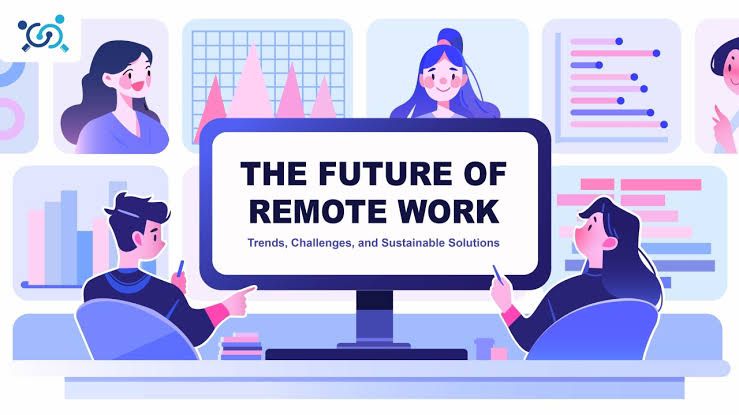
The future of remote work is intrinsically linked to the ongoing digital transformation reshaping industries across the globe. As technology evolves, so too will the tools, strategies, and workflows that make remote work not only feasible but effective and sustainable. The COVID-19 pandemic was a pivotal moment in this transformation, reshaping the way we work and sparking lasting changes in work environments, practices, and attitudes.
Before the pandemic, remote work was a rarity. But as businesses adapted to the crisis, many found themselves pivoting to remote operations almost overnight. Today, employees expect greater flexibility in where and how they work, making it clear that the future of work will not resemble the pre-pandemic status quo.
The Rise of Hybrid Models
In response, hybrid work models—where employees split their time between home and the office—have gained widespread popularity. This approach offers a better work-life balance and accommodates personal preferences. At the same time, it’s accelerated the adoption of digital tools for communication, collaboration, and project management. Platforms such as Zoom, Microsoft Teams, and Slack have become indispensable for maintaining productivity and staying connected across distances. Cloud-based systems have also seen a surge in usage, enabling employees to access critical files and tools from virtually anywhere, ensuring business continuity in an increasingly remote world.
A Shift Toward Flexibility
One of the defining features of remote work is the shift toward flexible working hours. No longer bound to rigid 9-to-5 schedules, employees can now manage their time more effectively, allowing them to focus on results rather than clocking in and out. Many companies have adopted asynchronous work practices, enabling team members to collaborate and communicate at times that suit their individual schedules, without the need for everyone to be online simultaneously.
However, the pandemic also underscored the importance of mental health. As isolation, stress, and burnout became more prevalent, organizations began to place a stronger emphasis on well-being, offering mental health resources, and encouraging open discussions about work-life balance. Flexible schedules, wellness programs, and employee assistance programs are now integral to helping workers navigate the complexities of remote and hybrid work.
Redesigning the Office Space
As hybrid and remote work models rise in prominence, the demand for large office spaces has diminished. Companies are rethinking their real estate needs, opting for flexible office layouts that prioritize collaboration and creativity over sheer square footage. For those returning to physical offices, businesses are implementing health measures—such as social distancing, improved ventilation, and regular sanitation—to ensure a safe environment.
Emphasizing Results Over Hours
In this new world of work, productivity is increasingly measured by outcomes rather than time spent at the desk. Employers are shifting their focus to results and entrusting employees to manage their own time and tasks efficiently. This shift is empowering workers with more autonomy, as they now have the freedom to structure their days according to what works best for them, while remaining accountable for their deliverables.
The Changing Nature of Leadership
The rise of remote work has also sparked a transformation in leadership styles. Pre-pandemic management practices often relied on command-and-control hierarchies. Today, however, more leaders are adopting flexible and empathetic management styles that prioritize trust and transparency over micromanagement. Training programs are helping managers develop the skills to lead remote teams effectively, emphasizing clear communication, collaboration, and support.
A Shift Toward Freelance and Contract Work
The pandemic accelerated the shift toward freelance and contract-based work, as individuals sought more flexibility and independence in their careers. The rise of remote gig work and short-term contracts is allowing workers to diversify their income streams, while businesses can quickly tap into specialized talent without the long-term commitment of full-time hires.
Aligning with Employee Values
Today’s workforce increasingly demands more than just a paycheck. Many employees are looking for employers that align with their personal values, from social responsibility efforts to sustainability initiatives and positive community impact. Companies, in turn, are offering more diverse benefits packages that cater to these evolving needs, including stipends for home office setups, mental health support, and paid time off for caregiving responsibilities.
Conclusion: The Future Is Hybrid and Flexible
The post-pandemic work environment represents a profound shift toward greater flexibility, remote work, and an increased focus on employee well-being. As businesses continue their digital transformation and embrace hybrid work models, employees are gaining more autonomy in balancing their professional and personal lives. But companies must remain agile, offering the right tools, support, and culture to help employees thrive in this new dynamic.
For businesses to succeed in this new digital era, they must prioritize innovation, digital collaboration, robust cybersecurity, and the ongoing development of their workforce. Ultimately, the future of remote work will hinge on the balance between technological advancement, organizational flexibility, and the evolving needs of a diverse and global workforce.

Nyc articles